Designing a New Digital System for a Legacy Industry Under Extreme Time Constraints
01
Project Overview
Project Summary
In 2024, a major enterprise client approached the company with a request to explore a new facility management module.
We had three weeks to design a prototype that respected decades of working habits while meaningfully improving safety, efficiency, and accountability.
The resulting prototype secured additional enterprise clients and opened new markets beyond food and beverage.
Business context
B2B - Regulated industry
Platform
Desktop Web Platform
Accompanying Tablet App
Team
Product Designer (Me)
Product Owner, Development Team, Cornell Food Venture Center
TIME FRAME
3 weeks to initial prototype
02
Defining the problem
Competing against complacency
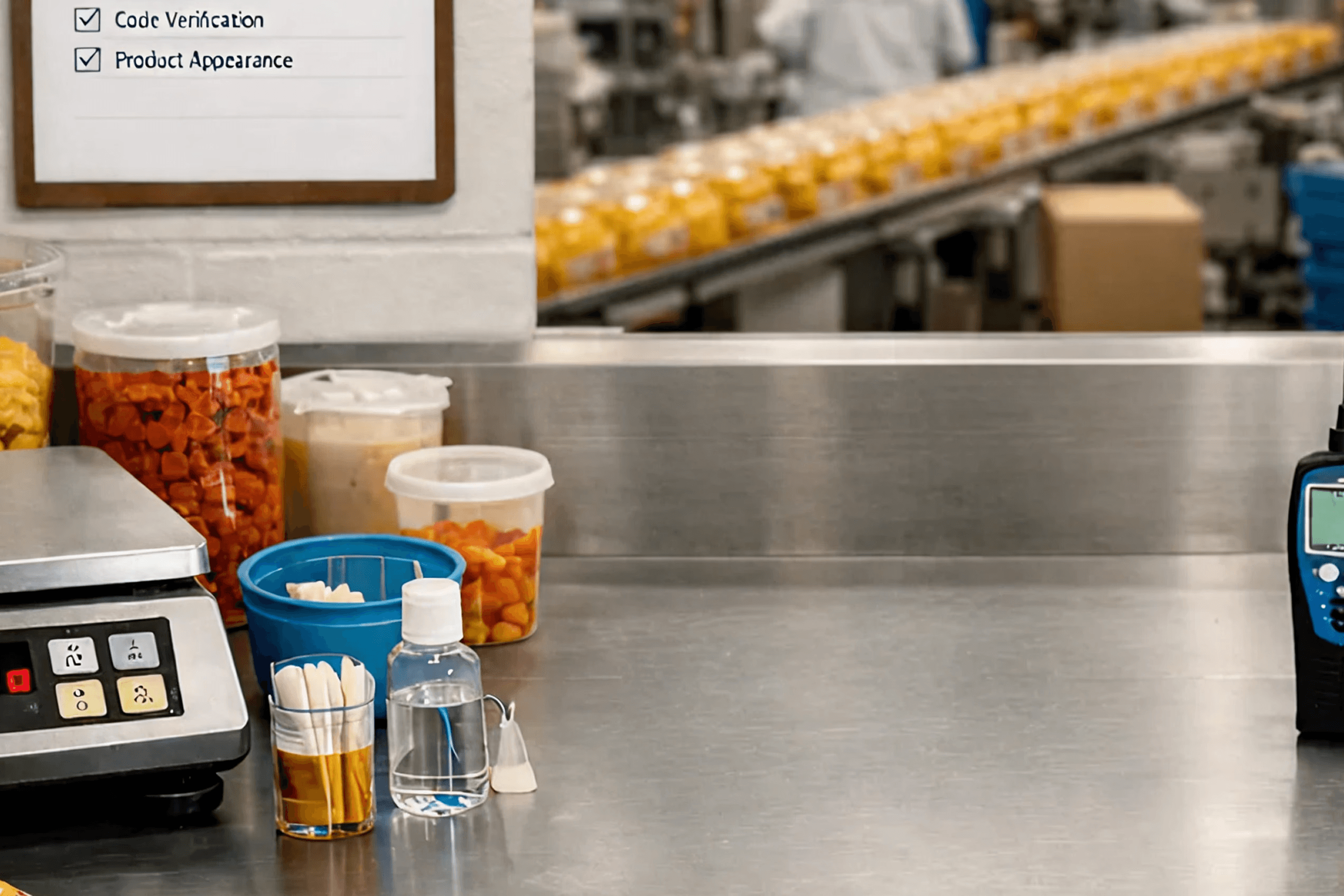
Food manufacturing is one of the most compliance-heavy and change-resistant industries.
Most facilities still rely on paper systems despite increasing regulatory pressure under the Food Safety Modernization Act (FSMA).
New digital systems often failed, because they ignored the fact that paper systems work:
they are cheap
The upfront cost is low, but a slow response to a violation or a recall can be very expensive.
they are flexible
Paper tolerates everything. But it offers limited traceability, and it allows unlimited manual errors.
They are established
Ingrained working habits withstood the test of time. But innovative technologies can save time and resources.
03
Design Strategy
With only three weeks, every decision had to be deliberate.
Three principles shaped the entire product.
tieying Efficiency & Revienue
Key Insight
Manufacturers don’t value bureaucratic software - they are focused on cost savings and revenue growth.
Solution
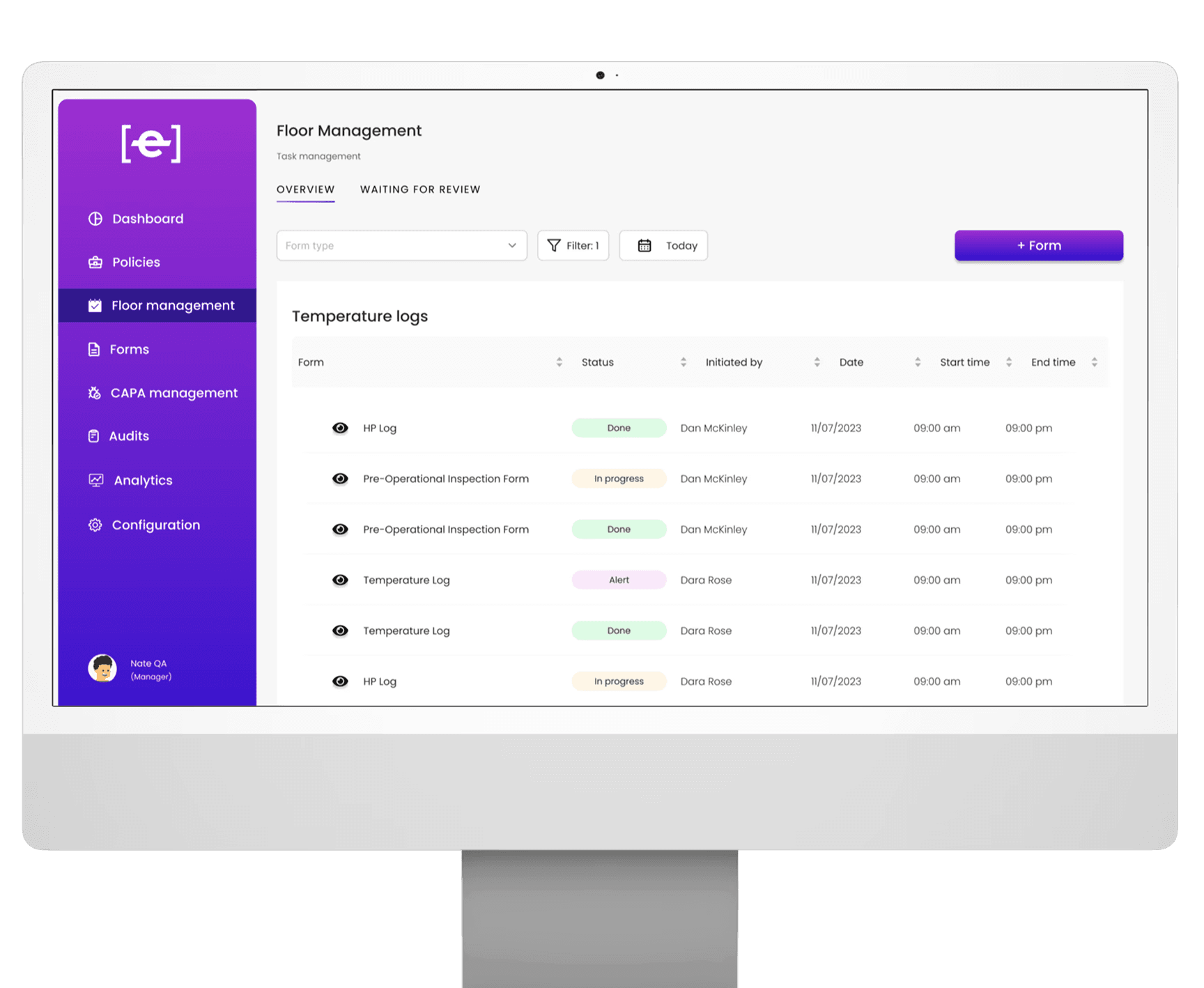
We built the experience around the decisions and actions those forms were meant to support:
Real-time error prevention
Automated compliance tracking
Searchable archives and audit trails
Result
Experts projected 15-25% improvement in client compliance & safety audits, boosting the manufacturers' reputation and client base.
Bottom-Up Form Initiation
Key Insight
Industry convention dictates top-down control.
User research showed that technicians needed autonomy to initiate forms in real time.
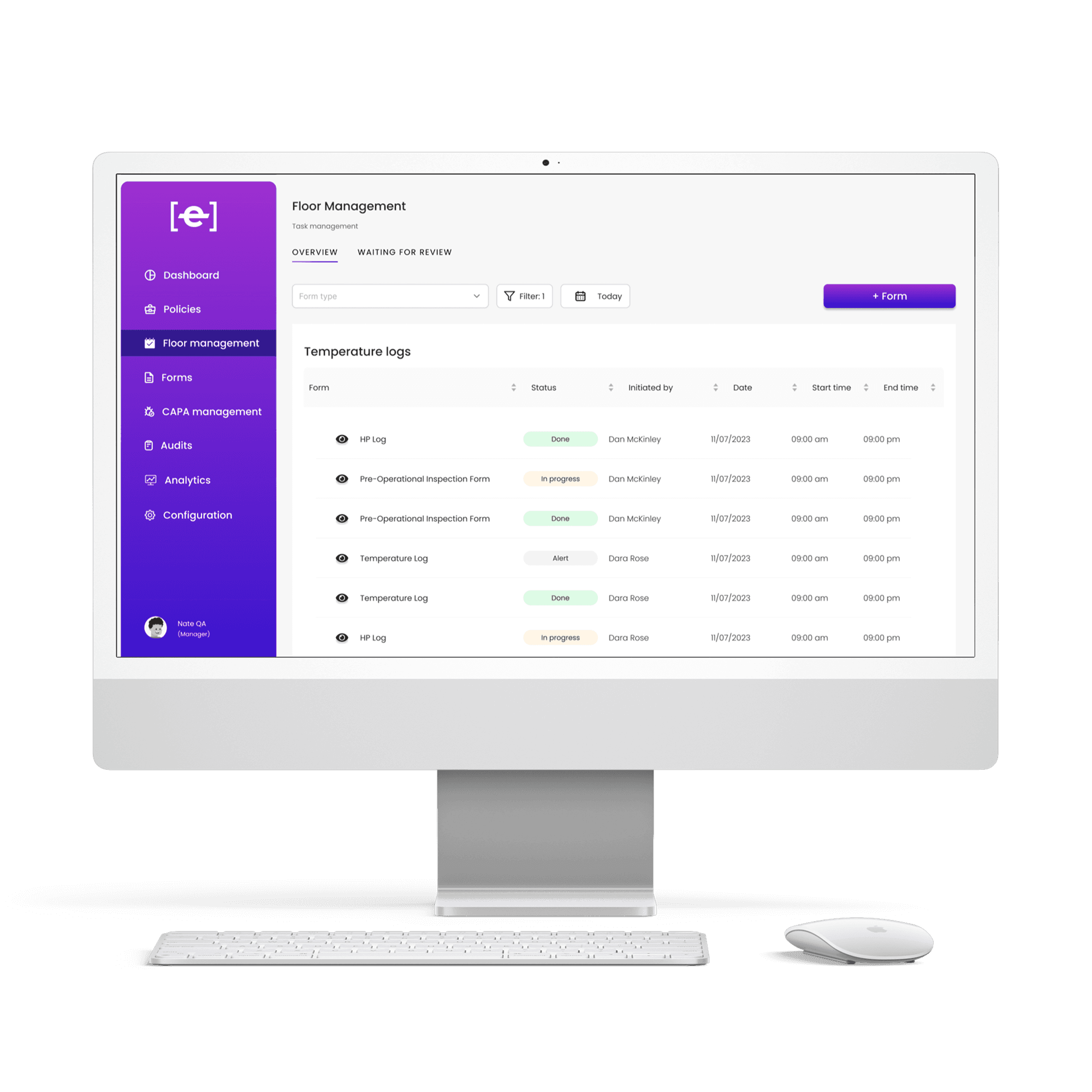
Solution
I designed the system around floor-level initiation, with oversight built into the workflow.
Result
User testing validated this shift.
Forms became interactive systems
Key Insight
We need to create a system more powerful than paper, without increasing technical debt.
Solution
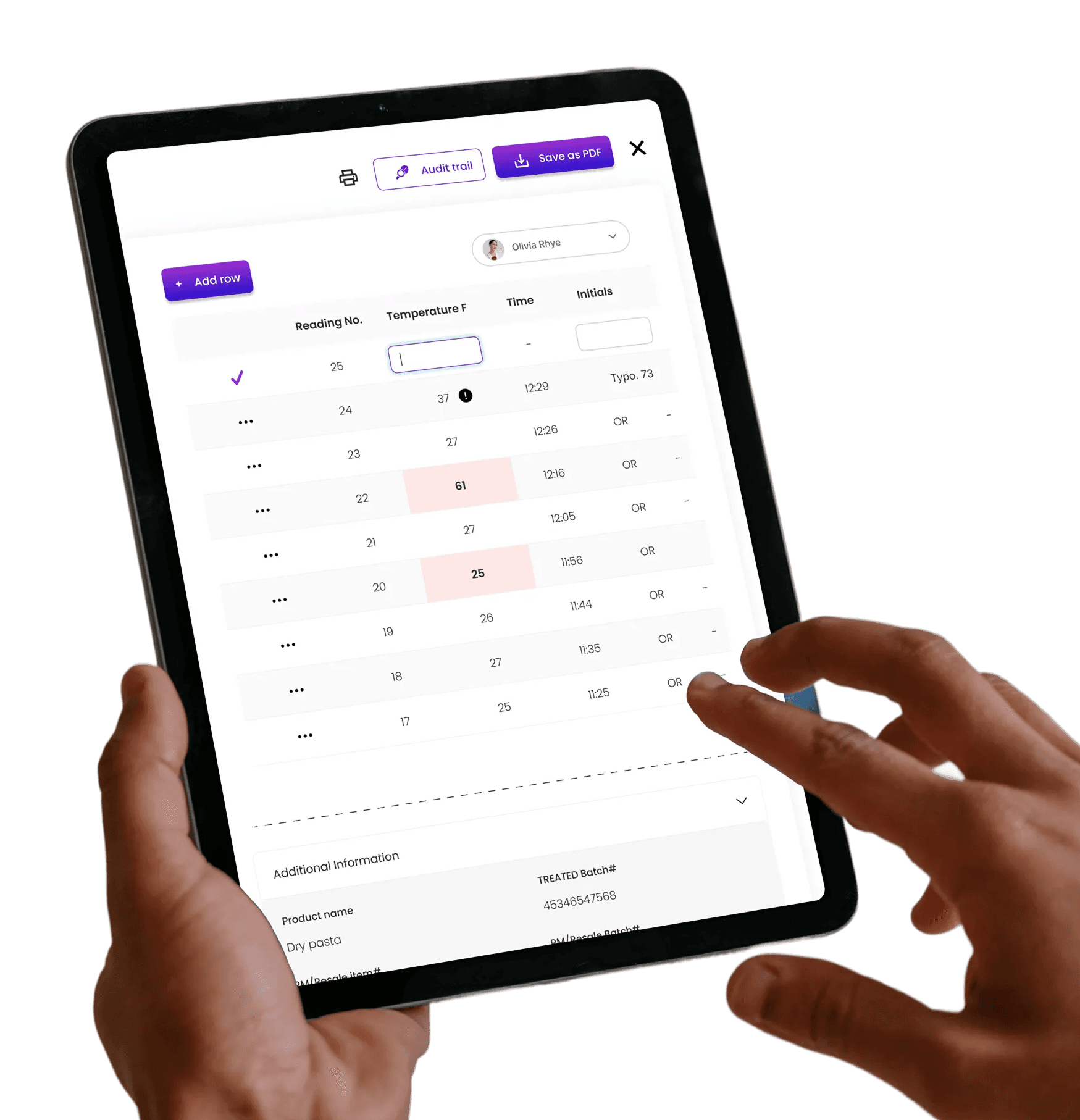
Leverage the company's existing proprietary technology to create an advanced digital form system with:
real-time alerts
Reducing costly regulatory risks.
conditional branching
Adaptive forms that respond to user inputs, preventing errors.
localized language and tooltips
The forms can adapt and actively guide the users in multiple languages.
media capture
Attach photos/videos for richer documentation.
Result
The adaptation of existing technology meant extremely fast development to MVP.
04
review and Impact
Project Summary
This project reinforced a core principle of my design practice:
Successful digital transformation respects the intelligence of existing systems, and the priorities of the people who rely on them.
Technology doesn’t replace legacy workflows; it must earn its place alongside them.
Prototype validation
The prototype was enthusiastically approved by enterprise clients.
Pre-ordered
3 industry leaders committed resources to continued development
Indusry expension
The platform opened doors to new markets: Manufacturing, agriculture, transportation, and supplements.
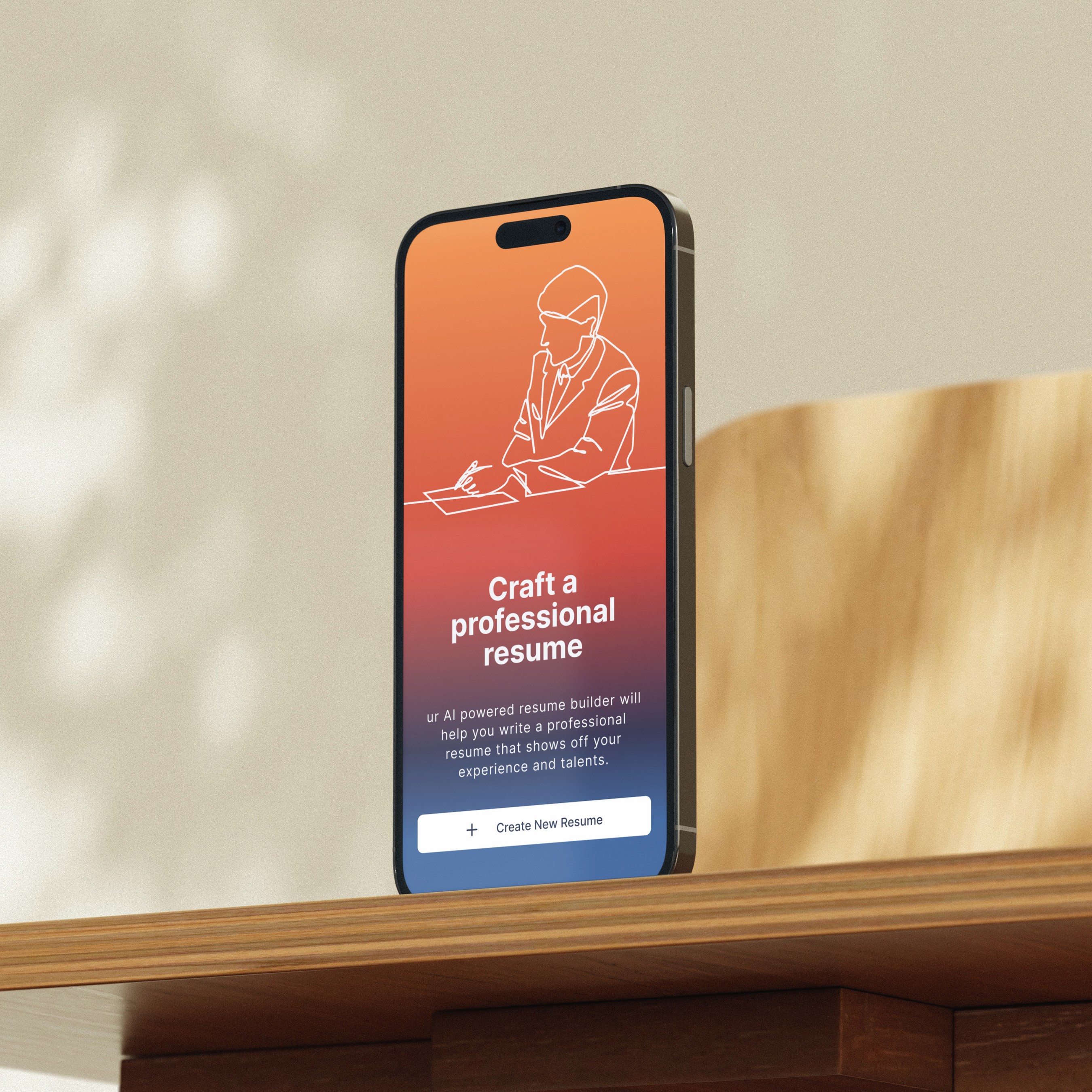
AI Resume Builder
Redesigning an AI Resume Builder for a structured and guided experience.
Business Model
B2C
Platform
Mobile +
Desktop
Time Frame
2 Weeks
Scope
New
Feature

Onboarding Flow Overhaul
Redesigning Otrafy’s Onboarding for Frictionless Adoption
Business Model
B2B
Platform
Tablet,
Desktop
Time Frame
3 Weeks
Scope
0 → 1